The Will of God
Ted Matteson / General
Sources:
https://www.biblestudytools.com/dictionary/will-of-god/
https://prayer.knowing-jesus.com/Prayers-to-be-in-the-will-of-God
The Will of God
Please pray with me…Father… I pray for your recharging of your Holy Spirit that is within me…I pray that you rid me of these nervous feelings and strengthen me for the delivery of Your Word which You have given me…I pray that what I speak will bring honor and glory to only You…in Jesus’ name…Amen
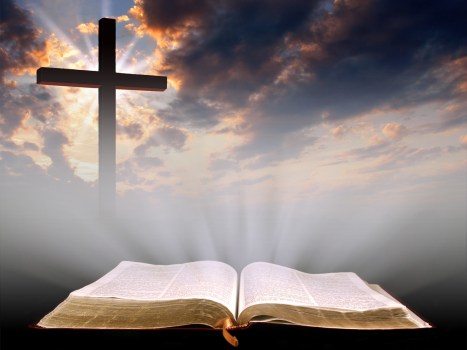
This picture has a profound statement. I do not know where it came from…I initially wrote this sermon titled The Will and Grace of God along the theme the will of God will never lead you where the grace of Gad cannot keep you. It 5,670 words requiring 47 minutes to present…but God would not suffer me to this challenge and therefore I have separated this topic in 2 parts. We can examine the grace of God another day…should our Lord terry.
Overview:
1. Introduction
2. What God has planned (His will), He Himself will bring to pass.
3. The New Testament.
4. God’s will and the direction of life.
5. God’s will and the plan of salvation.
6. The Christian life as a continuous response to God’s will.
7. The will of God and guidance.
8. Closing
One theme that all parts of Scripture take up in one way or another is the will of God. God’s will is as vast as his entire plan for creation. God’s will is settled and unchanging.
Old and New Testament writers refer to God’s will as if its existence is accepted by all. God’s will is described from its active side as His conscious of “deciding, ” “willing, ” and “choosing” to do something.
The Old Testament affirmation that there exists with the God of Israel a will that is resolute and bears on His actions and the life of His people is made in all parts of the Old Testament. He has worked and continues to interact with His creation according to a design.
“Psalm 135:6 Whatsoever the Lord pleased, That did He in heaven, and in earth, In the seas, and all deep places.”
His will is also the pattern to be followed in life by His people. The will of God is not simply a passive plan, but the blueprint for His creation. Very often the Old Testament describes God as accomplishing His will. In this we glimpse the sovereign control He exerts over nations and individuals.
In Psalm 115:3 “But our God is in the heavens: He hath done whatsoever he hath pleased.” His will applies to nations. Isaiah 48:14 “All ye, assemble yourselves, and hear; Which among them hath declared these things? The Lord hath loved him: He will do his pleasure on Babylon, And his arm shall be on the Chaldeans.”
Also, God’s will is in decisions made about individuals.
1 Samuel 2:25 “If one man sin against another, the judge shall judge him: but if a man sin against the Lord, who shall intreat for him? Notwithstanding they hearkened not unto the voice of their father, because the Lord would slay them.”
What God has planned (His will), He himself will bring to pass.
Consequently, the development in understanding of the will of God in the Old Testament reveals that God in one sense is seen as the initiator in the execution of His will and that this involves the events that make up human history. Human history is never regarded as beyond His control. This includes not only the whole nations, but also the specific events that touch individual lives.
For this reason, we are to align our lives with and do the will of God. Psalm 40:8 “I delight to do thy will, O my God: Yea, thy law is within my heart.” In this text the psalmist brings together two essential elements in describing the ideal life of obedience to God. God requires certain patterns of behavior in response to his covenant. The law is the articulation of the ethical requirements of God’s will.
For God’s will to be done, it had first to be known and understood by his people: Psalm 143:10 “Teach me to do thy will; for thou art my God: thy spirit is good; lead me into the land of uprightness.”
Through Moses, the judges, and the prophets, God made known his will and led the people in applying it in everyday situations. For example, in one case, the application of God’s will to a specific situation meant putting away foreign wives in Ezra 10:11-12. When people take action it is to be done in awareness that God’s will is to be the guide and that it cannot be thwarted. Job 42:2 “I know that thou canst do every thing, and that no thought can be withholden from thee.”
The concept of God’s will in reference to salvation, in the Servant passages in Isaiah. God selected Cyrus to carry out his purpose, which would allow the city of Jerusalem and the temple to be rebuilt.
Isaiah 44:28 “That saith of Cyrus, He is my shepherd, and shall perform all my pleasure: even saying to Jerusalem, Thou shalt be built; and to the temple, Thy foundation shall be laid.”. Here God’s will is executed in a historical event; moreover, that act is soteriological for through it God’s people experience salvation. The song of the Suffering Servant reveals that it was the Lord’s will to crush Him.
In Isaiah 53:10: “Yet it pleased the Lord to bruise him; he hath put him to grief: when thou shalt make his soul an offering for sin, he shall see his seed, he shall prolong his days, and the pleasure of the Lord shall prosper in his hand.”. This expression of the will of God, His resolute plan, makes it clear that God’s purpose is the deliverance of Israel and the Gentile nations, and the suffering of the Servant plays a role within this plan. Again, historical events are seen to have saving significance as they develop out of the determined will of God. Finally, the execution of God’s specific will, the “mission” of the redemption of Israel and the nations, is linked to the proclamation of God’s word in Isaiah 55:11 “So shall my word be that goeth forth out of my mouth: it shall not return unto me void, but it shall accomplish that which I please, and it shall prosper in the thing whereto I sent it.” God’s will includes the plan of salvation. Hear this… God’s will includes the plan of salvation.
The New Testament.
The will of God is the superstructure for God’s intervention in the affairs of humankind and for all of life was a belief that shaped much of the early church’s outlook on theology and life. In addition to the influence of the Old Testament, Jesus’ own life, ministry, and teaching undoubtedly provided a formative influence.
Jesus’ life and teaching as recorded in the Gospels bear witness to the importance of the concept of the will of God for His understanding of His own place and that of His followers in redemptive history.
Jesus modeled for His disciples a life lived in perfect conformity with God’s will, and demonstrated that this life did not always take the easy course. The poignant Gethsemane scene, recorded by Matthew, Mark, and Luke (with slight variations), depicts this most clearly. As Jesus prayed to the Father, He acknowledged both the strength of His own will and His commitment to God’s: “My Father, if it is possible, may this cup be taken from me. Yet not as I will, but as you will My Father, if it is not possible for this cup to be taken away unless I drink it, may your will be done” ( Matthew 26:39). Both Jesus and the Gospel writers knew that God’s will concerning the Messiah’s death was specific. But John especially characterizes the whole of Jesus’ ministry in terms of conformity with the will of God. At one point Jesus said to his disciples in John 4:34 “Jesus saith unto them, My meat is to do the will of him that sent me, and to finish his work.” His ministry is described as the outworking of God’s will: John 5:30 “I can of mine own self do nothing: as I hear, I judge: and my judgment is just; because I seek not mine own will, but the will of the Father which hath sent me.”
If Jesus was to do God’s will, so were his disciples. The prayer that Jesus taught them made God’s will a central concern in the life of discipleship. They were to petition God that his kingdom might come and his will be done on earth as it is in heaven (Matt 6:10). The coming of the kingdom, God’s power in Christ and then, through the Holy Spirit, in his church, means the manifestation of God’s will on the earthly plane. The message of the kingdom of God and the concept of God’s will are joined together. In fact, kinship with Jesus is demonstrated not by correct doctrine but by doing God’s will Matthew 12:50 “For whosoever shall do the will of my Father which is in heaven, the same is my brother, and sister, and mother.” Equally, membership in God’s kingdom is demonstrated “not” by good intentions but by the actual execution of God’s will. Matthew 7:21 “Not every one that saith unto me, Lord, Lord, shall enter into the kingdom of heaven; but he that doeth the will of my Father which is in heaven.”
Ultimately, our readiness to acknowledge and then do God’s will determines whether that we will be able to apprehend the truth of Jesus. John 7:17 “If any man will do his will, he shall know of the doctrine, whether it be of God, or whether I speak of myself.” In the thought of the early church, as represented by Paul and other New Testament writers, the will of God has a prominent place.
God’s Will and the Direction of Life.
At its most basic level, belief in an all-encompassing will of God means the belief that things are moving in a direction.
In Romans 1:9–10 “For God is my witness, whom I serve with my spirit in the gospel of his Son, that without ceasing I make mention of you always in my prayers; Making request, if by any means now at length I might have a prosperous journey by the will of God to come unto you.”
Romans 15:32. “That I may come unto you with joy by the will of God, and may with you be refreshed.”
The early Christians held that God’s will might supervene in the lives of his people and bring a change to human plans. For God’s will cannot be resisted so we find in Romans 9:19 “Thou wilt say then unto me, Why doth he yet find fault? For who hath resisted his will?” Consequently, our aim is to live according to the perfect will of God and to pray according to it. In 1 John 5:14 “And this is the confidence that we have in him, that, if we ask any thing according to his will, he heareth us:”.
In many cases this may exceed the ability of the believer, but the Holy Spirit is capable, who “intercedes for the saints in accordance with God’s will. Romans 8:27 “And he that searcheth the hearts knoweth what is the mind of the Spirit, because he maketh intercession for the saints according to the will of God.”
God’s Will and the Plan of Salvation.
Receiving special emphasis is the place of the plan of salvation within God’s will. The adoption as children. Ephesians 1:5 “Having predestinated us unto the adoption of children by Jesus Christ to himself, according to the good pleasure of his will” and inheritance of the blessings of redemption verse 11 are according to God’s counsel and will. The basis of salvation, the crucifixion of God’s son Jesus, is explicitly described as the outworking of God’s will in Acts 2:23 “Him, being delivered by the determinate counsel and foreknowledge of God, ye have taken, and by wicked hands have crucified and slain;”
In Galatians 1:4 “Who gave himself for our sins, that he might deliver us from this present evil world, according to the will of God and our Father:”.
In this way, Jesus’ death becomes integral to God’s plan, rather than being an unforeseen event to be fit in whatever way possible. Furthermore, the redemptive will of God, which began long ago in the promises to Abraham, has proceeded without change through each stage of the plan Hebrews 6:17 “Wherein God, willing more abundantly to shew unto the heirs of promise the immutability of his counsel, confirmed it by an oath:”. Like Abraham, others played significant roles in the outworking of God’s will to save; at each point God’s will was determinative and could not be circumvented. Paul viewed his own call to apostleship, which was to bring salvation to the Gentiles. Nearly all of his letters emphasize that it was God’s will that established him in His ministry.
In 1 Corinthians 1:1 “Paul, called to be an apostle of Jesus Christ through the will of God, and Sosthenes our brother,”.
The New Testament teaches that it is God’s will is that all be saved, and therefore none will be lost. Two passages relate God’s will to the expansiveness of the salvation plan. 1 Timothy 2:3–4 “For this is good and acceptable in the sight of God our Saviour; Who will have all men to be saved, and to come unto the knowledge of the truth.”
2 Peter 3:9 “The Lord is not slack concerning his promise, as some men count slackness; but is longsuffering to us-ward, not willing that any should perish, but that all should come to repentance.
“To come to a knowledge of the truth” is a formula that means to make a rational decision about the gospel, that is, to respond to the gospel message. God’s will to save the all-inclusive “anyone” to the volitional element involved in repentance. Consequently, while these texts tell us that God’s will to save extends to all people, and that he desires to save rather than to condemn, they do not remove the necessary element of the faith-response to the gospel.
The Christian Life as a Continuous Response to God’s Will.
God’s will applies to every part of the church’s and believer’s lives. The term with God’s will makes it almost certain that in such cases
Romans 2:18 “And knowest his will, and approvest the things that are more excellent, being instructed out of the law;” and in [Slide #50] James 4:15 “For that ye ought to say, If the Lord will, we shall live, and do this, or that.” Christian living and “doing the will of God” are one and the same and are not to be separated. In general terms, the summary of faithful Christian living, given by the writer of Hebrews, is “doing the will of God”: In Hebrews 10:36 “For ye have need of patience, that, after ye have done the will of God, ye might receive the promise.”. John describes the life of faithfulness, which demonstrates true Christianity, similarly as doing the will of God 1 John 2:17 “And the world passeth away, and the lust thereof: but he that doeth the will of God abideth for ever.” Viewed more specifically, for the slave, being a Christian within the social institution of slavery called for obedience to the master — this was doing the will of God from the heart (Eph 6:6). Suffering as Christians is an aspect of Christian existence that corresponds to God’s will. In 1 Peter 4:19 “Wherefore let them that suffer according to the will of God commit the keeping of their souls to him in well doing, as unto a faithful Creator.”
God’s will reveal is still more clearly relevant to all areas of human life.
In 1 Thessalonians 4:3 “For this is the will of God, even your sanctification, that ye should abstain from fornication:” Paul then goes on to apply in the specific principle “abstain from fornication.” Later in the same letter the will of God is said to be thankfulness in all situations (Verse 5:18). It is God’s will that a Christian’s conduct remove any cause for slander by unbelievers (1 Peter 2:15). Doing good deeds and sharing what we have with one another are “acceptable to God, ” that is, accords with his will (Heb 13:15-16). Finally, the will of God, which Paul desires his people to know and do in Romans 12:2, is spelled out specifically in terms of mutual service among Christians. In no case do the specifics or even any combination of them exhaust or fully describe the will of God better than Romans 12:2 “And be not conformed to this world: but be ye transformed by the renewing of your mind, that ye may prove what is that good, and acceptable, and perfect, will of God.”
The will of God must be done by Christians if they are genuine Christians, but for this to occur two things are required.
First, it must be taught and understood. Paul, for one, was chosen by God to know God’s will. In Acts 22:14 “And he said, The God of our fathers hath chosen thee, that thou shouldest know his will, and see that Just One, and shouldest hear the voice of his mouth.” He also endeavored to make all of God’s will (counsel) known, both theology and in Christian ethics (Acts 20:27). His prayer for believers was that they “be filled with a knowledge of God’s will” (Col 1:9 ; 4:12 . And he admonished foolish believers to make gaining an understanding of God’s will their chief aim (Eph 5:17).
Second, God must equip the believer to be able to execute the divine will in appropriate behavior. Human inability continues to coexist alongside divine sovereignty. This means that God must give the enlightenment necessary for the believer to perceive what the will of God is. In Colossians 1:9 “For this cause we also, since the day we heard it, do not cease to pray for you, and to desire that ye might be filled with the knowledge of His will in all wisdom and spiritual understanding;”. But then He must also enable His children in each situation to carry it out to completion: Hebrews 13:20–21 “Now the God of peace, that brought again from the dead our Lord Jesus, that great shepherd of the sheep, through the blood of the everlasting covenant, Make you perfect in every good work to do his will, working in you that which is well pleasing in his sight, through Jesus Christ; to whom be glory for ever and ever. Amen.”
The Will of God and Guidance.
Within the church today there are various views about how specifically God’s will may be known and followed in matters of life’s decisions. In the Old Testament God provided tools for discerning His direction in various situations. At times He “spoke, ” whether in dreams, through the burning bush, or in the “still small voice” that came to Elijah. In the New Testament similar events of guidance are recorded. It becomes clear that the church and individual believers are to seek to know God’s will and base their actions on it.
God is in control of His church and the whole world and interested in each aspect of His children’s lives, we are not told specifically that God will give us a “yes” or “no” to each question we might ask. Much of the biblical teaching about His will pertains to behavior and His plan of salvation. With regard to the first, “seeking” his will means (1) learning what God’s Word says about aspects of our response to Him and, (2) in concert with the church, determining how that teaching is to be applied in new historical and cultural contexts.
But the mystical element so obvious in Scripture, God’s direct guidance in times of need or searching cannot be ruled out today. We are to seek God with our questions about vocation, but he may direct through the wisdom of church and family leaders, as well as through circumstances. What is normative is difficult to say. But it is certainly incorrect to say that God’s will does not apply to the small areas of our lives. It is also incorrect to say that we should expect God to reveal His will always in a specific “yes” or “no” through internal prompting or external signs, or to think that the reality of God’s will relieves us of the responsibility of decision making.
We are left “in the middle, ” knowing that we are to seek God’s guidance through the Scriptures, prayer, the counsel of Christian leaders, and wise assessment of the options before us and knowing that He promises to guide us, but not being able to limit His means for doing this.
So What? …Know your Bible to know God’s will….it contains all things necessary for life 2 Peter 1:2–3, “Grace and peace be multiplied unto you through the knowledge of God, and of Jesus our Lord, according as his divine power hath given unto us all things that pertain unto life and godliness, through the knowledge of him that hath called us to glory and virtue:”)
Second know God’s Love. If your Bible is silent on a specific then trust His love and decide His will in life. Key Scriptures speaking directly on God’s love are: Mt 3:43-45; Mt 22:37-39; Jn 13:34-35; 1 Co 13:1-13; and 1Jn 4:7-12.
Before we close, if you do not know the will of God because you do not have a relationship with God, I want to give you the opportunity to resolve that. You cannot know His will if you do not have a personal relationship with him. The Gospel…the long version…
Because of sin, Jesus Christ, according to scripture, is God’s only Son,
Who was conceived by the Holy Spirit,
born of the Virgin Mary,
suffered under Pontius Pilate,
was crucified, died and was buried;
on the third day he rose again from the dead;
he ascended into heaven,
and is seated at the right hand of God the Father almighty;
So that we who believe may have forgiveness of sin and eternal life.
Romans 10:8-10 tells us, But what does it say? “The word is near you, in your mouth and in your heart” (that is, the word of faith which we preach): that if you confess with your mouth the Lord Jesus and believe in your heart that God has raised Him from the dead, you will be saved. For with the heart one believes unto righteousness, and with the mouth confession is made unto salvation.
If you will confess this truth, you will have salvation and if you professed this truth you will know His will, if you professed this truth…please tell somebody. Amen
In closing: The Will of God will never lead you where the Grace of God cannot keep you…Part 2 to follow…
Pray with me:
Lord, at times we just wish that You would send us a text, letter or call us on the telephone and let us know with clarity what Your will is for our life, so that we may fulfil all the plans that You have purposed for us.
Help us to lay aside our own personal preferences and learn to say, “Thy will be done.” Equip us we pray, to recognize Your gentle promptings and the wise counsel that is hidden in Your Word and keep us from being swayed by our own fleshly inclinations.
Tenderize our heart so that we are able to discern the nudges and tugs from the Holy Spirit and give us wisdom to make godly choices as we patiently wait for Your designated time.
Lord, although it would be amazing to have a letter or call from You, we do recognize that we are to live this life by faith and not by sight or sound, visions or dreams, so help us to keep our focus on the Lord Jesus, knowing that the closer we draw to Jesus, the more we will forget ourselves and our own desires, and the more we will discover Who You are and What You desire of us. This we ask in Jesus’ name,
Amen.
Sources:
https://www.biblestudytools.com/dictionary/will-of-god/
https://prayer.knowing-jesus.com/Prayers-to-be-in-the-will-of-God
Grace of God
Ted Matteson / General
Will and Grace of God / Grace Abounding / Philippians 4:19
God’s will does not take you to where His grace cannot keep you.
https://www.litcharts.com/literary-devices-and-terms/acrostic
https://www.rethinknow.org/what-is-gods-grace-meaning/
https://www.learnreligions.com/amazing-grace-701274
Life Application Bible Notes, (Tyndale, 2007), 1900.(4Life Application Bible Notes, (Tyndale, 2007), 1900.
Grace of God
Please pray with me…Father… I pray for your recharging of your Holy Spirit that is within me…I pray that you rid me of these nervous feelings and strengthen me for the delivery of Your Word which You have given me…I pray that what I speak will bring honor and glory to only You…in Jesus’ name…Amen
Today, this sermon outline is”
-Introduction
-Biblical Definition of Grace
-7 facets of God’s grace and What is God’s grace
-How To Receive God’s Grace
-Accept It
-Turn Away
-Remember And Pursue
-Closing
In a previous sermon on the “Will of God,” I had stated this picture had a profound statement. I do not know where it came from…I initially wrote that sermon titled The Will and Grace of God along the theme the will of God will never lead you where the grace of Gad cannot keep you. I talked that the Lord permitting I would address the Grace of God…That time has now come.
The word “grace” occurs some 138 times in the Bible. It starts with Genesis and concludes with Revelations. There is more than 50 scriptures that contains grace.
I have chosen Phil 4:19 for the topic scripture for this message. “And my God shall supply all your need according to His riches in glory by Christ Jesus.” NKJV .
What is God’s grace?
That might seem like a simple question. Especially if you grew up going to church. It’s one of those words that you heard almost every Sunday. It’s a buzzword of sorts.
I remember being taught grace ment not receiving the punishment you deserve or “God’s riches at Christ Expense (G R A C E)”…which is a [Slide #?] grammar construct call an acrostic which is a piece of writing in which a particular set of letters—typically the first letter of each line, word, or paragraph—spells out a word or phrase with special significance to the text.
While we hear about it all the time, many of us may miss how God’s grace meaning actually applies to their life.
We use the word so much I think we’ve forgotten what Grace actually means. Worse, I think we’ve forgotten how beautiful and life changing God’s love and grace is. So what I want to do help us discover, or rediscover the beauty. Let’s dive into what is God’s grace and how it applies to our life.
Biblical Definition Of Grace
Let’s start by looking briefly at the Biblical definition of the word grace.
The Greek word “charis” (χάρις) is what is often translated as grace in the New Testament. This word brings a picture of kindness, showing favor, often with a focus on a benefit being given.
Grace is what God does because He’s gracious. Grace is a gift of God. Not because we deserve it or did enough good works. But instead, because God is good. Grace is a result of the love of God. It’s the unmerited favor of God.
The word grace is rich. Its meaning reaching far beyond the textbook answer. So what I want to look at is how we can better understand this grace that God gives us and what it does in our life.
Let’s jump into the 7 facets of God’s grace and What is God’s grace?
1. God’s Grace Is Forgiveness
Romans 3:23–24 (NKJV) “for all have sinned and fall short of the glory of God, being justified freely by His grace through the redemption that is in Christ Jesus.”
This is probably what we think about most when we think of God’s grace. It’s forgiveness from our sins. The gift of salvation.
Some sins seem bigger than others because their obvious consequences are much more serious. Murder, for example, seems to us to be worse than hatred, and adultery seems worse than pride. But this does not mean that because we only commit “little” sins we deserve eternal life. All sins make us sinners, and all sins cut us off from our holy God. All sins, therefore, lead to death (because they disqualify us from living with God), regardless of how great or small they seem. Don’t minimize “little” sins or overrate “big” sins. They all separate us from God, but they all can be forgiven.
In this scripture, Paul explains that God declares that we are righteous. When a judge in a court of law declares the defendant not guilty, all the charges are removed from his record. Legally, it is as if the person had never been accused. When God forgives our sins, our record is wiped clean. From his perspective, it is as though we had never sinned. He could do this because Jesus took the penalty that we deserved. Christ purchased our freedom from sin, and the price was his life.
The Bible teaches us that grace is a gift of God. Our mistakes, our sin, condemn us and separate us from God. But God doesn’t leave us to the deal with the consequences of our sin. On the cross Jesus Christ displayed his great love for us by taking on what we deserved.
The grace of God gives us what we need instead of what we deserve. In our time of need God provides us with divine assistance. The act of grace is not what we deserve, but it’s what we are in desperate need of.
What is God’s grace? It allows us to live in freedom from our sin and enter back into relationship with God.
2. God’s Grace Is Undeserved (but he gives it anyway)
2 Timothy 1:9 (NKJV) “who has saved us and called us with a holy calling, not according to our works, but according to His own purpose and grace which was given to us in Christ Jesus before time began,”
The beauty of God’s grace can only be fully understood when we realize how fallen, broken, and undeserving we are.
Simply put, we do not deserve grace. We deserve death. But again, God gives us what we need instead of what we deserve. We cannot do anything to earn it. The result of works will never earn God’s grace.
It think is important that we recognize this. I often find Christians feel entitled to grace. Like it was God’s pleasure to die for them. [Slide #?] Jesus didn’t go to the cross because we are worthy, but because He is good.
We have done, and can do, nothing to earn God’s grace. Our own effort and good behavior will always fall short. The Bible makes clear that the results of works on our own amounts to nothing. It’s by the grace of God alone that we are saved.
“even when we were dead in trespasses, made us alive together with Christ (by grace you have been saved),” Eph 2:5–7 (NKJV).
3. God’s Grace Is New Everyday
Psalm 103:8 (NKJV) “The Lord is merciful and gracious, Slow to anger, and abounding in mercy.”
I don’t know about you, but I can’t go too long without making a mistake. I can’t seem to kick the habit of sinning. I’m in constant need of God’s grace. And thankful his grace is with me every morning when I wake up.
All our past sins, present sins, and future sins are covered when we put our faith in Jesus. That should not be an invitation to keep sinning. Rather a way out of the cycle of sinning. God’s grace is new every day and that allows us to be transformed into his image.
A truth we all know, [Slide #?] by the grace of God we are not who we once were, but we are not fully there yet. we are in a process. We being transformed. God’s grace allows us to continue in this transformation process. When we screw up again today we will wake up to new grace tomorrow.
Whatever you have done, are doing, or will do, God’s grace is new every day. Not so you can keep on sinning. But so you can once again step into freedom. He is not done with you. [Slide #?] Philippians 1:6 (NKJV) “being confident of this very thing, that He who has begun a good work in you will complete it until the day of Jesus Christ;” What is God’s grace? It’s new everyday.
The God who began a good work within us continues it [Slide #?] throughout our lifetime and will finish it when we meet him face to face. God’s work for us began when Christ died on the cross in our place. His work within us began when we first believed. Now the Holy Spirit lives in us, enabling us to be more like Christ every day. [Slide #?] Paul is describing the process of Christian growth and maturity that began when we accepted Jesus and continues until Christ returns.
Do you sometimes feel as though you aren’t making progress in your spiritual life? When God starts a project, he completes it! As with the Philippians, God will help you grow in grace until He has completed His work in your life. When you are discouraged, remember that God won’t give up on you. He promises to finish the work He has begun. When you feel incomplete, unfinished, or distressed by your shortcomings, remember God’s promise and provision. Don’t let your present condition rob you of the joy of knowing Christ or keep you from growing closer to him.
4. God’s Grace Adopts Us Into His Family
1 John 3:1–3 (NKJV) “Behold what manner of love the Father has bestowed on us, that we should be called children of God! Therefore the world does not know us, because it did not know Him. Beloved, now we are children of God; and it has not yet been revealed what we shall be, but we know that when He is revealed, we shall be like Him, for we shall see Him as He is. And everyone who has this hope in Him purifies himself, just as He is pure.”
Throughout the Bible you see God call His followers His children. Apostle Paul says we were adopted into God’s family.
Romans 8:15 (NKJV) “For you did not receive the spirit of bondage again to fear, but you received the Spirit of adoption by whom we cry out, “Abba, Father.”
God has shown His incredible love for us by bringing us into his family.
Think of the implications of that. [Slide #?] To be a child of God. The one who is all-powerful, all-knowing, and ever-present is your father.
If we can keep our focus on this, how we live our lives would change. God cares about us and is guiding us. We need not worry. We are his children and he loves us.
What is God’s grace meaning? It means we are God’s children. Heirs to the throne. Ephesians 3:6 “that the Gentiles should be fellow heirs, of the same body, and partakers of His promise in Christ through the gospel” (NKJV)
5. God’s Grace Brings Us Closer To Our Father
John 14:6 (NKJV) “Jesus said to him, “I am the way, the truth, and the life. No one comes to the Father except through Me.”
Many view God’s grace as a get out of hell free card or access to eternal life. But that misses the point. God’s desire isn’t to just spare you from pain. It’s to reunite you with Him. He wants the relationship that sin severed to be restored.
The forgiveness of sins allows this to happen. It doesn’t just save us from hell, it reunites us with our heavenly Father.
Grace allows us to come back. Sin cast us away. It created a chasm that kept us apart. Grace is the bridge that allows us to come back to the other side. It mends the wounds that sin caused. It forgives the mistakes that we made.
What is God’s grace meaning? Grace brings us back to the father.
6. God’s Grace Allows Us To Live In Freedom
Romans 6:14 (NKJV) “For sin shall not have dominion over you, for you are not under law but under grace.”
We think freedom is doing whatever we want to do when we want to do it. That might appear to be freedom. But that kind of life doesn’t set you free, it enslaves you. Grace frees us and allows us to live as God intended.
When people look at the “rules” God gives his children many scoff. Any good parent gives their children rules. Not to hamper their fun or restrain their freedom. But to keep them safe and allow them to fully experience life.
Guardrails on the side of the road are there to protect you from the dangers of careening off the road. The Holy Spirit gives us guardrails to keep us on the path of freedom. Freedom isn’t the ability to do whatever you want. Freedom is living as God designed.
What is God’s grace meaning? It means that we can live free from the shackles of sin.
7. God’s Grace Is Open To All
Titus 2:11 (NKJV) For the grace of God that brings salvation has appeared to all men,
Followers of Jesus can sometimes be stingy with grace. But God is not, He gives it to anyone and everyone that wants it. That’s why songs like Amazing Grace exist, because it extends to even the worst of sinners.
The lyrics to “Amazing Grace” were penned by the Englishman John Newton (1725-1807). We all know his story…once the captain of a slave ship, Newton converted to Christianity after an encounter with God in a violent storm at sea. The change in Newton’s life was radical. We cannot find a better description of the reality of God’s grace. Listen again to these sweet sweet words:
Amazing grace! How sweet the sound
That saved a wretch like me.
I once was lost, but now am found,
Was blind, but now I see.
‘Twas grace that taught my heart to fear,
And grace my fears relieved.
How precious did that grace appear
The hour I first believed.
Through many dangers, toils and snares
I have already come;
‘Tis grace hath brought me safe thus far
And grace will lead me home.
The Lord has promised good to me
His word my hope secures;
He will my shield and portion be,
As long as life endures.
Yea, when this flesh and heart shall fail,
and mortal life shall cease,
I shall possess within the veil,
A life of joy and peace.
When we’ve been there ten thousand years
Bright shining as the sun,
We’ve no less days to sing God’s praise
Than when we’ve first begun.
Every single human being on this planet is loved by God and has the offer of grace extended to them. All they have to do is accept it.
Sadly this message is lost on the world because the church is much more selective with grace than Jesus was. Only those “deserving” should receive grace. The problem is not one person is deserving of what Christ Jesus did. Not one. We are all terribly broken and in need of grace.
Therefore, we should show grace generously because we’ve been given grace generously. God’s grace is for EVERYONE.
What is God’s grace meaning? It’s open to all people.
How To Receive God’s Grace
Hopefully now we have a deeper understanding of God’s grace meaning for our life. I want to end by looking at how we receive it.
We’ve already looked at how grace is a gift that we can do nothing to earn. However that doesn’t mean that we do nothing.
Just like if I were to hand you a present on your birthday you have to actually extend your hands to receive it and then open it to enjoy it. Similarly to receive God’s grace we have to posture ourselves to receive it.
First Accept It
As we have seen God’s grace has been extended to all. Not a single person is exempt. But God will not force this gift on anyone, it has to be accepted. Why? Because [Slide #?] permission is sacred. [Slide #?] God will not force human beings to follow him because what he wants is a relationship not subservience.
The first step to receiving God’s grace is to accept it.
Another way of saying this is to put your faith in God, the work of Jesus. When we place our hope in God’s only Son we are accepting his gift of grace. It’s the act of holding out our hands to accept the gift He has for us.
Turn Away
When we accept God’s grace it means we have to turn away from the things our life used to be about. Why? Because you can’t go in two directions at the same time. Grace gives us a new life, therefore we have to leave the old behind.
Philippians 3:13 “Brethren, I do not count myself to have apprehended; but one thing I do, forgetting those things which are behind and reaching forward to those things which are ahead,” (NKJV)
Another word for this is repent. It often gets a bad rap, but that’s because we don’t really understand what it means. To repent means to rethink your life in light of what Jesus has done. To turn from our worldly passions and return to God. It means to accept that you are sinful but dearly loved. It means to accept God’s invitation to live in a better way.
In order to step into the abundant life God has for us we have to leave behind our old life. We have to turn away so that we can turn toward God.
We must Remember And Pursue
I don’t know about you but I’m quick to forget and return to my old habits and way of life. I’m quick to forget about God’s grace. I need constant reminders of what God has done for me and to live in light of that.
We need to remember God’s grace and continually pursue it. That means we need to regularly spend time with God, study the Bible, find community, and seek counsel from other Christians.
I know that sounds cliche and something you’d expect a pastor to say. But I just don’t know another way. I’ve never seen anyone actually grow their faith apart from spending time in God’s word, connecting through prayer, and doing life in Christian community. There’s simply not another way.
Receiving God’s grace isn’t a one-time affair. We need it daily. And because He’s a gracious God He will provide for us each day. We just need to remember and pursue God in our lives.
Don’t stop posturing yourself to receive God’s grace.
I want to share with you an extract from my testimony concerning God’s Grace. Some of you have heard me state this before…
“I still do not always know what God intends in my earthly life beyond loving my neighbors, but I know I will do so in His Grace. In Grace I seek to be His righteousness. God gave me a scripture to cling to, Matthew 6:33 (NKJV) “But seek first the kingdom of God and His righteousness, and all these things shall be added to you..” It is in His grace that I walk knowing Hebrews 13:5 (NKJV) “Let your conduct be without covetousness; be content with such things as you have. For He Himself has said, “I will never leave you nor forsake you.”” It is in His Grace that I walk knowing Philippians 4:6-7 (NKJV) “Be anxious for nothing, but in everything by prayer and supplication, with thanksgiving, let your requests be made known to God; and the peace of God, which surpasses all understanding, will guard your hearts and minds through Christ Jesus.”. It is in His Grace I have a place to live with my daughters and be a part of my grandchildren’s life. It is in His Grace having relatively good health. It is His Grace He has set before me a house of worship called the Community Church of Monroe and serve there. It is His Grace…It is His Grace…It is His Grace.
So in closing…this bring us back to the beginning…God’s grace is a powerful…powerful means in our life. Remember, The will of God will never lead you where the Grace of God cannot keep you.
Please pray with me…
God, our Father, as Jesus states to Paul in his time of need, so do we need to remind ourselves: Your grace is sufficient for us. Whether in wealth or poverty, hunger or feasting, enable us, like the apostle, boast in our weaknesses. For it is our weaknesses, Lord, that make Your grace manifest even more so in our life. In our life thus far, we have been upheld by this Grace You supply – thank You Father. Praying in the name of Jesus Christ, we praise You forever. Amen.
https://www.litcharts.com/literary-devices-and-terms/acrostic
https://www.rethinknow.org/what-is-gods-grace-meaning/
https://www.learnreligions.com/amazing-grace-701274
Life Application Bible Notes, (Tyndale, 2007), 1900.(4Life Application Bible Notes, (Tyndale, 2007), 1900.
 The Pure King James Bible (KJB)